
Claimocity Demo Calendar

Charge Capture and the Revenue Cycle

Jan 14, 2025 8:10:36 AM / by Nicole posted in Blog Post

0 Comments

Claimocity Claims

Charge Capture and the Revenue Cycle:
A Complete Guide for Healthcare Providers

Here’s a startling fact: Healthcare providers can lose up to 5% of their revenue due to missed charges alone. That’s more than most providers would spend on a charge capture solution. If you’re a healthcare provider looking to understand how charge capture affects your bottom line, you’re in the right place. Let’s break down this crucial step of the healthcare revenue cycle in simple terms.

What is Charge Capture?

At its most basic, charge capture is how healthcare providers record the services they provide and submit them for payment. It is like creating a detailed receipt–every procedure, supply, and service must be documented to be billed correctly. It’s a critical step in getting paid for your work.

Where Charge Capture Fits in Your Revenue Cycle

Charge capture is just the first part of the revenue cycle. Once services are captured and translated into standardized medical codes, they form the basis of insurance claims. When services are properly documented and coded from the start, each subsequent step runs more smoothly. An optimized charge capture process will capture more billable charges, speed up payment, reduce denials, and increase your bottom line. 

Your revenue cycle includes:

  1. Charge Capture
  2. Claim Submission
  3. Payment Posting
  4. AR Management
  5. Denials Management
  6. Patient Billing & Collections
  7. In-App Billing Support

Why Traditional Charge Capture Methods Fall Short

Healthcare providers face many hurdles when it comes to capturing charges accurately and efficiently. Even though Electronic Health Record (EHR) systems have made many parts of healthcare more efficient, charge capture is still a complex task with plenty of room for mistakes. These errors can be costly, and it is essential to identify where improvements can be made to streamline the process and reduce revenue loss.

  • Communication Breakdowns: Misalignment between clinical staff and billing teams and inconsistent workflows across different care settings can allow important billing information to fall through the cracks. When departments don’t communicate effectively, charges can be missed or coded incorrectly.
  • Coding Complexity: With thousands of CPT and HCPCS codes to choose from, selecting the right codes requires extensive knowledge and attention to detail.
  • Human Error: Even with the most diligent staff, manual data entry, and transcription mistakes are inevitable. Something as simple as a mistyped code can lead to claim denials or delayed payments.
  • Complex Payer Requirements: Insurance payers frequently update their rules, documentation requirements, and reimbursement policies. Keeping your systems current is an ongoing challenge that requires constant attention and updates.


These challenges aren’t just administrative headaches—they directly affect the financial health of your organization.

It’s Time to Optimize

Stop leaving money on the table. The right charge capture process can transform your entire practice. By implementing these strategies, you’ll streamline workflows, strengthen your revenue cycle, and maximize financial performance:

Start Strategic Auditing

Regular audits aren’t just about finding problems–they’re about preventing revenue loss before it happens. By conducting systematic reviews of your charge capture process, you’ll identify missed charges, avoid under and over billing, and spot opportunities for improvement. Strategic audits will ensure compliance and help maximize your revenue potential.

Leverage Modern Technology

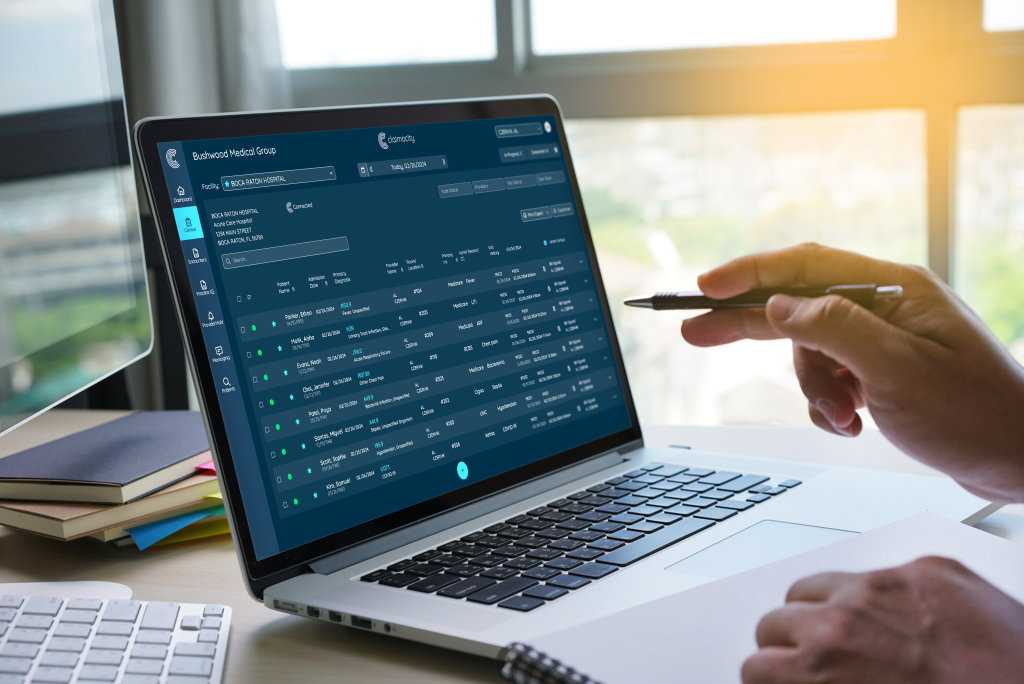
Today’s charge capture technology eliminates the guesswork and manual processes that lead to lost revenue. AI-powered solutions automatically review clinical documentation and suggest appropriate codes, catching potential missed charges before they impact your bottom line. Mobile applications like Claimocity that integrate with your EHR allow providers to document and code services on the spot. No more end-of-day documentation or searching through complex code libraries.

Set Up Your Team for Success

We know your team works hard to keep your organization running smoothly, but great teams need great processes. Make their jobs easier with streamlined workflows that optimize the charge capture process. Clear protocols eliminate confusion, standardized documentation prevents lost charges, and regular training keeps everyone up to date. Efficient processes will boost your bottom line and create confident, engaged teams that consistently deliver better financial outcomes.

Ready to Capture Every Dollar?

Don’t let an inefficient charge capture processes drain your revenue potential. With the right strategies and technology you can capture every billable encounter, make your job easier, and turn potential into profit. 

Transform Your Practice Today

At Claimocity, we know healthcare is complex but your charge capture process doesn’t have to be. Our AI powered charge capture will document every encounter and accelerate cash flow. Schedule a demo today to learn how Claimocity charge capture can optimize your process so you can save time and earn more money.  

Frequently Asked Questions

An example of charge capture is when a doctor provides patient care, like stitching up a wound, and documents the service provided and any supplies used. This information is then converted into a medical code and sent to billing so the doctor can get paid.

The healthcare revenue cycle covers everything from initial patient registration and treatment, through charge capture and coding, to claim submission and payment processing, and finally collecting any remaining patient balances or handling denials.

Revenue Cycle Management (RCM) is the process healthcare providers use to track and manage patient care services from initial appointment to final payment. RCM covers everything from registration and insurance verification to coding, billing, and collecting payments. Effective RCM ensures timely reimbursement, minimizes denials, and optimizes financial performance.

Charge capture directly impacts a healthcare provider’s financial health–when services aren’t properly captured and coded, providers don’t get paid for their work, which leads to lost revenue.

Charge capture technology like AI streamlines the billing process by automating documentation, suggesting accurate billing codes, catching errors before they happen, and helping providers capture every billable service.

Charge capture is one of the first steps in the medical billing cycle. It occurs after patient care but before claim submission. During this phase, providers document all services performed and translate them into billable codes. It is the foundation for accurate claim submission and proper reimbursement.

Read More

Best Hospitalist Charge Capture Practices

Dec 13, 2024 1:08:20 PM / by Nicole posted in Blog Post

0 Comments

Claimocity Claims

Hospitalist Charge Capture:
A Physician's Guide to Better Billing

Are you tired of spending hours on paperwork? After all, you didn’t spend 12 years in medical school to spend 12 hours charting every day. For hospitalists, managing charge capture can feel like a second job, but it doesn’t have to be this way. Let’s break down in-patient charge capture and look at how modern solutions are transforming this crucial but time-consuming process.

What is Hospitalist Charge Capture?

Simply put, hospitalist charge capture is the process of documenting and billing for the services provided during patient care in order for you to get paid for your work. 

Think of charge capture as the bridge between patient care and payment. When you see a patient, you provide various services—from consultations and check-ups to procedures and tests. Each of these services must be accurately documented and submitted for payment. While it sounds straightforward, traditional charge capture can be a maze of paperwork, coding requirements, and administrative tasks that eat into your valuable time.

How Charge Capture Works:

Charge capture is not just one simple task. It’s a complex chain of events with many handoffs where things can (and often do) go wrong:

  1. Patient Care – You see your patient and provide quality care
  2. Clinical Notes – Document the services provided, including labs, medication, and supplies
  3. Code Selection–Translate medical services into billing codes
  4. Charge Entry–Convert codes into billable items for claims
  5. Reviews and Approval–Ensure all charges match clinical notes and meet compliance requirements
  6. Claim Submission–Send completed claims to insurance companies
  7. Denial Management–Address rejected claims and resubmit 
  8. Payment Processing–Recording payments and managing collections
  9. Repeat Daily—Start the whole process over again


This approach isn’t just tedious–it’s costing you money. With multiple handoffs and manual processes, something’s bound to slip through the cracks. Every missed charge, every documentation gap, every delayed submission impacts your bottom line.

Common Challenges Hospitalists Face

The manual charge capture process we just described is challenging enough on its own. But for hospitalists, there are even more obstacles standing between you and proper reimbursement. Here’s what can make the charge capture process especially demanding for hospitalists:

Time Constraints

Between rounds, admissions, and patient care, you’re already stretched thin. Finding time to document charges properly can feel impossible and can lead to charge lag.

Multiple Facility Systems

Each hospital has its own processes and requirements. Juggling different systems and protocols adds another layer of complexity to an already complicated process.

Complex Coding Requirements

Medical coding isn’t just complex–it’s constantly changing. Keeping up with new codes, payer requirements, and compliance standards while managing a full patient load is a major challenge.

Communication Gaps

With multiple handoffs between you, your billing team, and facility staff, important details can get lost in translation. These gaps often lead to denied claims or delayed payments.

Lack of Real-time Information

Traditional systems don’t give you immediate feedback on missing documentation or potential coding issues, making it harder to correct problems quickly.

Charge Capture Best Practices

The challenges of charge capture are real, but they’re not insurmountable. Let’s look at the strategies that will save time and boost revenue.

Align Your Team

With physicians, nurses, billing staff, and administrators all playing crucial roles in charge capture, coordination is key. Establish straightforward processes everyone understands and can follow to eliminate guesswork and confusion. When everyone understands their role in the revenue cycle, handoffs will be seamless, and you can prevent miscommunications, reduce errors, and accelerate your revenue cycle.

Document in Real-Time

The best time to capture charges is when they happen when memories are fresh, and details are clear. Make it a priority to record charges immediately after patient encounters. With modern mobile solutions, you can document anywhere, anytime. Set up workflows that make real-time charting easy and intuitive. When charges are captured promptly, you’ll see fewer errors, reduced charge lag, and faster reimbursement.

Stay Ahead with Audits

Don’t wait for denials to identify problems. Regular check-ups on your charge capture process can save you from headaches down the road. Strategic audits will help spot patterns, identify bottlenecks, and catch missing charges before they affect your revenue. Take a close look at things like how long it takes to submit charges and how often claims get denied, and use these insights to strengthen your process.

Level Up with Technology

Move beyond fragmented systems and manual processes. Modern platforms are here to streamline your workflow, automate routine tasks, and improve compliance. Look for solutions that integrate seamlessly with your current EHR, and allow access to real-time charge data. The right charge capture solution will help optimize your process, save time, and reduce errors.

Enter AI-Powered Charge Capture

It’s time to stop accepting that it’s just “part of the job” and start embracing modern technology and AI-powered solutions that will turn the burden of charge capture into a streamlined process that works for busy providers like you. 

With AI-powered solutions like Claimocity, the cumbersome process becomes remarkably easy:

  1. Visit the patient and chart in your current EHR
  2. Review and sign your notes
  3. Let Claimocity handle the rest


It really is that simple. No more manual coding, no more missed charges,and no more administrative headaches. AI handles the heavy lifting by automatically reviewing your clinical notes and suggesting accurate codes. Get ready to reclaim your time and let the admin work happen almost automatically.

How Claimocity Transforms Your Workflow

Real-Time Documentation

With mobile access, you get everything you need from your phone or tablet. Handle documentation wherever you are, whenever it works for you.

Automated Code Selection

Say goodbye to manual coding. AI analyzes your clinical notes and suggests appropriate billing codes, reducing errors and missed charges.

Seamless Integration

Work within your existing EHR systems without jumping between platforms. Everything syncs automatically, keeping all your documentation in one place.

Modernize Your Hospital Charge Capture

We know hospitalists need more than manual processes and basic software. With Claimocity’s charge capture platform, you can reclaim your time and optimize your workflow:

  • Work seamlessly across multiple facilities
  • Reduce admin tasks
  • Improve accuracy
  • Capture more revenue


Ready to see how intelligent charge capture can transform your charge capture process? Let’s talk about making your workflow work for you.

Frequently Asked Questions

The charge capture process in a hospital documents services performed during patient care in order for doctors to get paid for their work. It bridges patient care and payment, turning clinical notes into accurate, billable claims.

A charge capture specialist ensures all billable services are accurately recorded and coded. They review patient encounters, verify procedures performed, and assign appropriate billing codes. Their work is essential for maximizing revenue and maintaining compliance with healthcare billing regulations.

Charge capture involves documenting services provided while coding assigns the appropriate medical codes to those services for billing. Both are essential for accurate claims, but coding is just one step of the charge capture process.

A charge capture error happens when services provided are incorrectly documented, coded, or billed. This could mean missing charges, duplicate entries, or mismatched codes. These errors can delay payments, reduce revenue, and create compliance risks.

Read More

Charge Capture Audits: What You Need to Know

Dec 13, 2024 1:03:52 PM / by Nicole posted in Blog Post

0 Comments

Claimocity Claims

Charge Capture Audits:
What You Need to Know

How Audits Can Save Time and Money

If you’re running a medical practice, you might be leaving significant money on the table without even realizing it. We know healthcare providers are already juggling countless responsibilities, and conducting an audit doesn’t seem like the most important thing. Yet studies show the average medical practice loses approximately $125,000 each year due to poor charge capture accuracy. That’s revenue you’ve earned but never collected.

The solution? A strategic charge capture audit. When done right, these audits do more than identify missing revenue—they spotlight workflow inefficiencies, ensure compliance, and create opportunities for improvement in your charge capture process. 

Let’s explore how to conduct an effective charge capture audit and discover how AI-powered solutions can prevent revenue leaks before they happen.

What Exactly is a Charge Capture Audit?

Think of a charge capture audit as a health check-up for your medical billing process. It examines how effectively you’re documenting and billing for all the services you provide to patients. This includes everything from initial patient registration to final reimbursement. With so many steps and handoffs between different departments and systems, there are countless opportunities for charges to slip through the cracks.

Where Does Charge Capture Fit in Your Revenue Cycle?

Effective charge capture is the backbone of your practice’s financial health. It’s a crucial part of your healthcare revenue cycle, transforming your clinical experience and patient care into revenue. However, the challenge is that the traditional medical billing process is full of chances for critical information to be overlooked, leading to missed revenue. 

Think about your daily workflow. You provide excellent patient care. Your services need to be documented, coded, and billed correctly. With manual processes, charges can be missed, coded incorrectly, or lost between systems. Even the most diligent practices can lose revenue this way.

Why Charge Capture Processes Fail (And Why It Matters)

Most practices lose substantial revenue due to inefficient revenue cycle management. Understanding where these breakdowns occur is the first step to optimizing billing workflow.

People-Related Issues:

  • Your clinical team is focused on delivering exceptional patient care, but traditional charge capture creates unnecessary administrative burdens:

  • Healthcare providers are experts in patient care, not billing. After long shifts focused on delivering quality care, billing accuracy often suffers. This leads to missing charges and incomplete documentation.
  • Administrative staff handling charge capture need consistent processes and training to succeed. With high turnover rates and complex requirements, maintaining billing accuracy becomes nearly impossible without the right tools.
  •  

Process-Related Issues:

  • When responsibilities are spread across multiple departments, accurate charge capture becomes a complex challenge. Without centralized oversight, charges slip through the cracks, and reporting becomes unreliable.
  • Many practices operate without standardized charge capture protocols, leaving each department to develop its own methods. This lack of consistency creates confusion and increases the likelihood of billing errors.
  • Daily charge reconciliation shouldn’t consume hours of staff time. Yet that’s exactly what happens with manual processes—these essential reviews get postponed or overlooked, leading to lost revenue and delayed reimbursements.
  •  

These issues impact more than just your bottom line. They can trigger compliance problems, lead to insurance claim denials, and even affect patient satisfaction when billing errors occur.

But there is good news: these revenue-draining inefficiencies don’t have to be part of your practice. By identifying these common failure points in traditional charge capture, you can take steps toward a more efficient, automated approach that protects your revenue and frees up valuable time.

How to Conduct a Charge Capture Audit

We get it—just hearing the word “audit” can feel overwhelming. But, a charge capture audit is simply a review of your billing process to make sure you’re getting paid for all the care you provide. By breaking it down into strategic steps, you can identify and fix the gaps in your revenue cycle. Here’s how to make it painless and productive:

Start With High-Impact Areas

Focus your initial audit efforts where they’ll make the biggest difference. Complex billing requirements and high-volume departments are the most likely places for revenue leaks:

  • Departments with complex services (cardiology, surgery, emergency)
  • Areas with frequent documentation delays
  • Departments handling expensive procedures or medications

Track Your Progress

Understanding your current workflow is crucial for identifying where charges get lost. Map out your current charge capture workflow from start to finish and look for these common issues:

  • Missing or incomplete documentation
  • Coding errors and charge entry mistakes
  • Insurance information accuracy
  • Delays in claims and payments

Audit Early and Often

Don’t wait for problems to compound. The longer you wait to review charges, the harder it becomes to correct issues and capture revenue. The industry’s best practice is to audit charges within 3-5 days of service. This allows you to:

  • Catch issues while details are fresh
  • Fix problems before claims are submitted
  • Prevent denial-related headaches
  • Maintain steady cash flow

Get the Right People Involved

Successful audits require perspectives from every part of your revenue cycle. Each team member brings unique insights into how charges flow through your practice. Your audit team should include voices from:

  • Financial departments
  • IT systems
  • Clinical staff
  • Billing and coding specialists

What to Expect From Your Audit

With regular, well-executed charge capture audits, you can see exactly where revenue is falling through the cracks in your practice. You’ll get a clear picture of how every process and department impacts your revenue cycle and find practical steps to maximize reimbursements.

Why Wait For an Audit? Stop Revenue Leaks Before They Happen

While charge capture audits are valuable and necessary, they are retrospective by design–only finding problems after they’ve occurred. That’s why Claimocity is perfect for healthcare practices that want to get ahead of these issues. Rather than relying on audits to find missed revenue retroactively, Claimocity AI Charge Capture helps prevent revenue leaks from happening in the first place.

Claimocity AI Charge Capture helps achieve the same goals as a traditional audit by working proactively to identify issues by:

  • Suggesting appropriate codes based on clinical notes
  • Reducing administrative burden and manual entry errors
  • Identifying potential missed charges before they occur 
  • Streamlining the entire billing process


When you integrate Claimocity AI into your daily workflow, you can address many issues that charge capture audits uncover, including missed charges, coding inconsistencies, and documentation errors, before they become problems. This proactive approach ensures you capture all billable events accurately without waiting for an audit to identify and resolve problems. 

Are you ready to stop revenue leaks before they happen? Schedule a demo to see how Claimocity’s AI Charge Capture can transform your practice’s revenue cycle management.

Frequently Asked Questions

A charge capture audit examines how effectively your practice documents, codes, and bills for patient services. Reviewing each step in your charge capture process will help identify missed charges, coding errors, and process gaps that lead to lost revenue.

An example of charge capture is when a doctor provides patient care, like stitching up a wound, and documents the service provided and any supplies used. This information is then converted into a medical code and sent to billing so the doctor can get paid.

Read More

HL7 API Integration Made Easy: Streamline Your Billing with Claimocity AI

Aug 27, 2024 6:27:39 PM / by Nicole posted in Blog Post

0 Comments

Claimocity Claims

HL7 API Integration Made Easy:
Streamline Your Billing with Claimocity AI

The Challenge: Upgrading Your Billing System
without Disruption

Modernizing your medical billing system shouldn’t be a headache. Many healthcare providers hesitate, fearing complex technical hurdles and workflow disruptions when integrating with their existing Electronic Health Record (EHR) system. 

One of the biggest concerns is implementing HL7, a crucial component for modern healthcare data exchange. HL7 (Health Level Seven) is a set of standards that allows healthcare systems to share patient information quickly and securely. Here at Claimocity, we understand these concerns. That’s why we’ve designed Claimocity AI Charge Capture with effortless HL7 API integration in mind.

What is HL7?

HL7 (Health Level Seven) is a widely recognized standard for exchanging healthcare data electronically. HL7 APIs (Application Programming Interfaces) act as a bridge, allowing different healthcare systems to communicate seamlessly. While it’s essential for streamlined operations, implementing it can seem daunting without the right partner.

What are some examples of HL7?

HL7 helps healthcare systems share important information. Here are some common ways it’s used:

  • Patient admission, discharge, and transfer (ADT) messages
  • Laboratory results
  • Clinical Notes
  • Medication orders and pharmacy information
  • Billing information

How Does Claimocity Integrate with Your EHR?

Claimocity utilizes secure HL7 API connectivity to establish a smooth flow of data between your EHR system and our AI-powered billing platform. This means: 

  •   Minimal IT Involvement: Our team handles the technical setup, minimizing disruption to your IT department. 
  •   Real-Time Data Flow: Claimocity continuously processes data feeds, ensuring you have the latest clinical information readily available for charge capture. 
  •   Seamless Data Exchange: Eliminate the need for manual data entry and double documentation. Claimocity automatically retrieves relevant encounter data from your EHR system. 

Benefits of Seamless Integration

By leveraging HL7 API integration, Claimocity offers several advantages: 

  •   Reduced Errors: Eliminate manual data entry errors that can lead to billing delays and denials. 
  •   Improved Efficiency: Streamline your workflow and free up valuable time for yourself. 
  •   Enhanced Accuracy: Ensure all billable services are captured accurately for optimal revenue capture. 
  •   Peace of Mind: Claimocity prioritizes data security. Our systems comply with all healthcare industry regulations and data exchange guidelines to safeguard patient privacy (PHI). 

Don't Let Integration Concerns Hold You Back

Embrace modern billing without integration worries. With Claimocity AI Charge Capture and its seamless HL7 API integration, you can enjoy the benefits of AI-powered billing without worrying about complex technical setups. There are no complex setups, no disruptions, just smarter billing.

Learn More Here:

Read More

The Future of Hospitalist Billing is Here: How AI is Optimizing Revenue Cycles

Jul 30, 2024 9:21:43 AM / by Nicole posted in Blog Post

0 Comments

Claimocity Claims

The Future of Hospitalist Billing is Here:
How AI is Optimizing Revenue Cycles

The hospitalist billing landscape is undergoing a significant transformation. Gone are the days of manual data entry and inefficient workflows that lead to lost healthcare revenue and delayed reimbursements. Artificial intelligence (AI) is going to be a game-changer, optimizing revenue cycles for hospitalists and empowering them to focus on what matters most – delivering exceptional patient care. 

A recent study showed that 98% of U.S. hospitals plan to use AI throughout their billing process within the next three years. And right now, about 65% are already using AI in some way. It’s clear: AI is the future of smarter, faster healthcare revenue management.

Here's how AI is shaping the future of hospital billing:

  • Streamlined Workflows and Reduced Administrative Burdens: AI automates tedious tasks like patient eligibility verification, prior authorization requests, and medical coding. This frees up valuable staff time for higher-level activities and improves overall efficiency.
  • Enhanced Accuracy and Reduced Errors: AI-powered solutions analyze vast amounts of medical data, minimizing coding errors and discrepancies that often lead to claim denials. This translates to increased first-pass claim acceptance rates and faster reimbursements.
  • Improved Revenue Capture: By identifying potential missed charges and ensuring accurate coding, AI helps hospitals capture all billable services. This leads to increased revenue and improved financial health.
  • Faster Reimbursements and Improved Cash Flow: AI accelerates the billing process by streamlining workflows and minimizing delays. This translates to faster reimbursements and improved cash flow, allowing hospitals to reinvest in critical resources and patient care initiatives.
  • Predictive Analytics for Improved Decision-Making: Advanced AI can analyze trends and predict future billing challenges. This empowers health system leaders to make data-driven decisions regarding staffing, resource allocation, and potential revenue opportunities.

The Benefits Extend Beyond the Bottom Line

AI’s impact goes beyond optimizing revenue cycles. By streamlining the billing process, AI can also contribute to: 

  • Reduced administrative stress: Empowering staff to focus on patient care and core functionalities. 
  • Improved patient satisfaction: Faster claim processing leads to quicker explanation of benefits (EOBs) for patients.
  • Enhanced focus on patient care: Hospitals can devote greater resources to improving patient outcomes and experiences.

Embrace the Future of Hospitalist Billing with AI

Artificial intelligence is not just a trend; it’s the future of efficient and accurate hospital billing. Hospitals already using AI are seeing impressive results, with 83% reporting increased collections from both patients and insurance companies and 80% experiencing improved cash flow. Your hospital can join these success stories by embracing AI with Claimocity AI Charge Capture. Our technology can help you optimize revenue cycles, improve cash flow, and ultimately dedicate more resources to what matters most – providing exceptional patient care. 

Learn More Here:

Read More

Mobile Medicine Meets Mobile Billing

Jul 23, 2024 2:49:40 PM / by Nicole posted in Blog Post

0 Comments

Claimocity Claims

Mobile Medicine Meets Mobile Billing:
The Claimocity AI Advantage

In today’s fast-paced healthcare environment, doctors are always on the move. You’re checking on patients, attending rounds, and delivering exceptional patient care. What about the administrative tasks that often get pushed aside? Medical billing doesn’t have to be a burden that chains you to your desk.

Introducing Claimocity AI Charge Capture:
Your mobile billing companion!

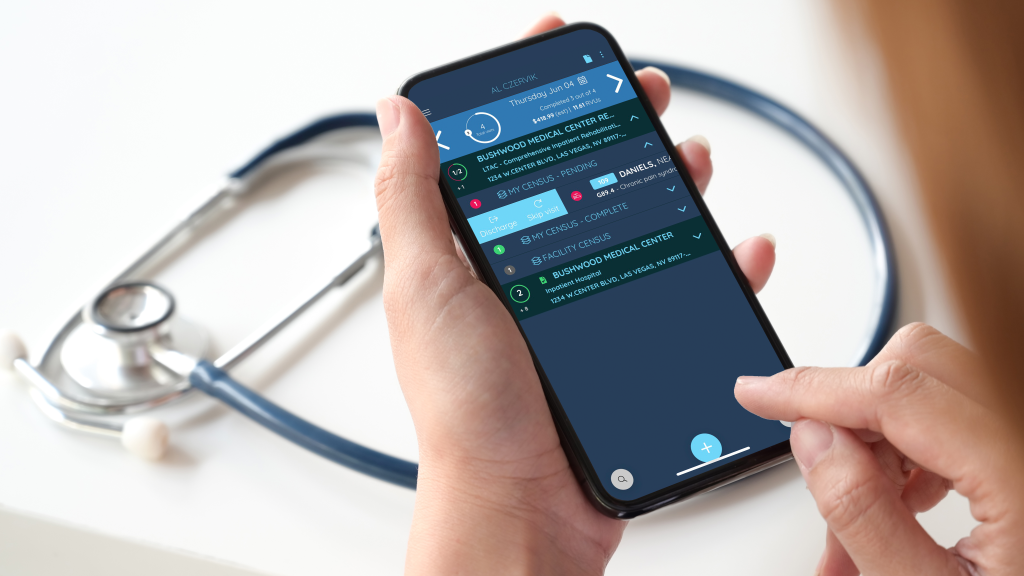
Claimocity AI Charge Capture empowers you with the convenience of mobile medical billing. This means you can review and approve charges anytime, anywhere, directly from your smartphone or tablet, seamlessly integrating with your electronic health records.

Here's how Claimocity AI's mobile functionality streamlines your workflow:

  • Review Charges on the Go: No need to wait until you’re back at the office. Review pre-populated charges generated by AI based on your patient notes, even between rounds with mobile charge capture.

  • Quick Approvals, Faster Reimbursements: With a few taps on your phone, you can approve accurate charges, ensuring timely claim submissions and faster reimbursements for your practice. 

  • Enhanced Flexibility: Claimocity AI’s mobile access allows you to manage your billing tasks around your busy schedule, freeing up valuable time for other critical tasks.

  • Improved Work-Life Balance: Claimocity AI helps you reclaim control of your time. Tackle billing tasks on your own terms, wherever you are, and avoid late-night paperwork struggles

Mobile Billing Made Easy

Claimocity AI prioritizes a user-friendly experience. Our intuitive mobile app is designed for ease of use, allowing you to navigate seamlessly through charge reviews and approvals.

Embrace the Future of Medical Billing

Break free from the desk. Claimocity AI provides the freedom and flexibility of mobile billing access, empowering you to manage your workload anytime, anywhere, so you can focus on what truly matters.

Ready to Modernize Your Billing Process?

Learn More Here:

Read More

Debunking Myths: Unveiling the Truth About AI in Medical Billing

Jul 9, 2024 4:34:27 PM / by Nicole posted in Blog Post

0 Comments

Claimocity Claims

Debunking Myths:
Unveiling the Truth About AI in Medical Billing

Artificial intelligence (AI) is rapidly transforming the healthcare industry, and medical billing is no exception. 

While AI offers exciting possibilities to streamline workflows and boost efficiency, there are some lingering concerns. Let’s debunk some common myths about AI in medical billing:

Myth #1: AI Will Replace Medical Billers and Coders

Fact: AI isn’t here to take billing jobs away – it’s here to augment human expertise. While AI automates repetitive tasks like code suggestions and data entry, it can’t replace the critical thinking and judgment required for complex coding scenarios or handling denials. Medical billers and coders will still be essential for reviewing AI suggestions, handling exceptions, and ensuring accurate coding practices.

Myth #2: AI is Too Complicated for My Practice

Fact: AI solutions are becoming increasingly user-friendly and easy to integrate. Claimocity AI Charge Capture, for example, uses a simple and intuitive interface accessible on mobile devices and computers. No extensive training is required, and our team handles the technical setup to ensure a smooth transition.

Myth #3: AI Can't Handle the Nuances of Medical Billing

Fact: Advanced AI can learn and adapt to specific coding practices and regulations. Claimocity AI leverages the power of AI to analyze vast amounts of medical billing data, allowing it to identify patterns and suggest accurate codes even for complex procedures.

Myth #4: AI is a Security Risk for Patient Data

Fact: Patient data security is paramount. Claimocity AI prioritizes data privacy and adheres to all HIPAA regulations. We ensure the utmost security for protected health information (PHI) by adhering to all industry regulations and guidelines for healthcare data exchange.

The Future of Medical Billing is a Human-AI Partnership

AI is a powerful tool that can revolutionize medical billing by reducing administrative burdens and improving accuracy. However, it’s crucial to remember that AI works best alongside human expertise. Medical professionals will remain essential in the billing process, applying their expertise to ensure accuracy when needed.   

By embracing AI, inpatient healthcare practices can achieve greater efficiency and accuracy while allowing medical billers and coders to focus on more complex and rewarding aspects of their work. The future of medical billing is not about replacing humans, but enhancing their capabilities with the power of AI.

Let Claimocity harness the power of AI for you!

Read More

5 Ways AI is Revolutionizing Medical Billing

Jun 25, 2024 4:25:55 PM / by Claimocity Team posted in Blog Post

0 Comments

Claimocity Claims

5 Ways AI is Revolutionizing Medical Billing

Imagine a world where medical charting and billing aren’t dreaded chores but streamlined processes powered by artificial intelligence (AI). While AI chatbots transform customer service and virtual reality can design your dream home, the healthcare industry is experiencing its own AI revolution. Amid this technological shift, we’ve focused on enhancing your professional experience with our cutting-edge solution, Claimocity AI Charge Capture.

Medical billing, a critical yet traditionally cumbersome task, is now undergoing a much-needed overhaul. Historically, it has been plagued by time-consuming manual data entry, double documentation, and intricate coding procedures, leading to errors and inefficiencies. However, the future looks brighter, especially with Claimocity AI.

AI is revolutionizing medical billing in profound ways. Here are five key benefits AI brings to the table:

1. Automated charge capture

Say goodbye to tedious manual charge entry! AI-powered solutions, like Claimocity AI, analyze signed EHR notes, identify every billable encounter, and automatically populate charge lists. This eliminates human error and saves valuable time for healthcare providers and staff.

2. Intelligent Coding Recommendations

AI can analyze patient diagnoses and procedures and suggest accurate and relevant ICD-10 and CPT codes. This minimizes the risk of coding errors, which can lead to claim denials and delays in reimbursements.

3. Streamlined Workflow

AI automates repetitive tasks, allowing staff to focus on higher-level activities. Features like pre-populated charges allow for faster review and approval processes.

4. Improved Accuracy and Reduced Errors

Manual data entry is prone to errors. AI automates many aspects of the billing process, minimizing mistakes and ensuring greater accuracy. This translates to fewer claim denials and faster reimbursements.

5. Increased Revenue Capture

By identifying potential missed charges and ensuring accurate coding, AI helps healthcare facilities capture all billable services. This leads to increased revenue and improved financial health for your practice.

The Future of Medical Billing is Here

Does it all sound too good to be true? AI is not here to replace your expertise in medical billing. Instead, it acts as a powerful tool to automate tasks, save time, improve accuracy, and streamline provider workflows. This allows healthcare providers and staff to dedicate more time to what truly matters.

Join the AI Revolution in Inpatient Billing Today!

Read More

10 Questions Answered: Your Guide to Claimocity AI Charge Capture

Jun 11, 2024 11:25:22 AM / by Claimocity Team posted in Blog Post

0 Comments

Claimocity Claims

10 Questions Answered:
Your Guide to Claimocity AI Charge Capture

Feeling overwhelmed by charting and double documentation? As an inpatient healthcare provider, your time is precious. Managing manual coding and data entry alongside patient care is incredibly demanding, but we’re here to help change your life.

Introducing Claimocity’s AI-Powered Charge Capture—your ultimate solution to reduce errors, reclaim your time, and accelerate reimbursements. This guide answers the 10 most frequently asked questions about Claimocity AI Charge Capture and how it can revolutionize your workload and practice:

1. What is Claimocity AI Charge Capture?

Claimocity AI Charge Capture is an intelligent billing assistant that automates tedious administrative tasks, streamlines workflows, and ensures accurate CPT and diagnosis coding for maximized revenue. By rigorously reading signed notes, it triggers automated processes to draft and finalize encounters, allowing doctors to efficiently approve their charges without any manual effort, significantly reducing time spent on billing.

2. How Does Claimocity AI Save Me Time?

Claimocity AI saves you time by automating tasks such as data mining from your current EHR system, suggesting accurate diagnosis and CPT codes based on patient notes, and pre- populating charge lists. After you sign your notes, our AI engine takes over, eliminating the need for manual charge capture tasks.

3. Can AI Replace My Coding Expertise?

Absolutely not! Claimocity AI Charge Capture acts as your intelligent assistant, suggesting accurate diagnosis and CPT codes based on its analyses, but you always have the final say in reviewing and approving charges before submission. While it aids in accuracy, your expertise remains crucial in the process.

4. Does Claimocity AI Integrate With My Electronic Medical Record (EMR) System?

Claimocity utilizes HL7 ADT connectivity for a seamless flow of data between your EHR system and our platform. We have active connections with all of the most popular EMRs in acute facility settings, including Cerner, EPIC, and Meditech. Please ask us about your specific system and how we can accommodate your facility’s EMR.

5. Is My Patient Data Secure with Claimocity AI?

Absolutely! Claimocity prioritizes patient privacy and adheres to all HIPAA regulations. We use secure cloud-based storage and encryption protocols to safeguard Protected Health Information (PHI), complying with all healthcare industry regulations and data exchange guidelines.

6. How Does Claimocity AI Improve Billing Accuracy?

Claimocity AI analyzes vast amounts of medical data to identify patterns, minimizing coding errors and reducing claim denials. It provides a curated list of encounters with suggested billing codes, which you can easily review and approve to ensure they accurately reflect the services provided based on your clinical notes.

7. Can Claimocity AI Help Me Recover Lost Revenue?

Claimocity’s AI can help you recover lost revenue by analyzing patient encounters to identify missed charges and ensuring accurate coding, so you capture all the billable services your practice deserves.

8. Is Claimocity AI Charge Capture Easy to Use?

Absolutely! Claimocity AI is designed with a user-friendly interface accessible on mobile devices or computers. No extensive training is required, and our team is always available for support.

9. How Much Does Claimocity AI Cost?

Claimocity AI Charge Capture will be available as a new software package bundle starting July 15th, 2024. The AI Charge Capture bundle is priced at $499 per user per month, coupled with expert revenue cycle management services starting at a competitive 2.49% fee.

Click here to get on our waitlist.

10. How Can I Learn More About Claimocity AI?

Learn More:
Stay Connected:

Ready to discover your future with
AI-Powered Charge Capture?

Claimocity AI Charge Capture is your key to the most efficient and profitable future, freeing you up for what matters most. See patients, sign your notes, and we’ll handle the rest.

Experience the AI revolution with us!
Read More

How MDs are Minimizing Revenue Losses During COVID

Mar 11, 2024 2:08:34 PM / by Claimocity Team posted in Blog Post

0 Comments

Claimocity Claims

How MDs are Minimizing Revenue Losses During COVID

In normal times, the average doctor loses between 10-22% of their income to inefficiency, with poorly run practices losing up to a third or more.

This includes missed charges, lost charges, errors, missed deadlines, coding issues, denials, time costs, software issues, organizational deficiencies, opportunity costs, and unnecessary administrative burdens.

During times of crisis, inefficiencies are magnified and practices
that weren’t already operating at high levels are in trouble.

For even well-run practices, the inefficiency percentage has ballooned in recent weeks, eating up a much larger percentage of the reduced income levels.

  • Non-COVID 19 patients are staying home.
  • Facility censuses are down, and most facilities are requiring telehealth visits.
  • For physicians relatively new to telemedicine, the implementation, learning curve, comfortability, and changes to billing have all come with slowdowns that are having an impact on revenue generation.

Healthcare Billing Amidst a Shifting Landscape

The impacts of the shifting healthcare landscape are being felt in every specialty, with perhaps the exception of psychiatry, where patients are more vulnerable to stress and the pandemic is driving the numbers up.

  • To add another layer of difficulty to the revenue cycle growth process, the insurance companies have become even slower to process claims and provide administrative support on resolutions, appeals, and interactions.

During the current pandemic, with their employees working remotely, the insurance reps are providing the bare minimum, which is really revealing which billing teams have the experience, staffing, and expertise necessary to thrive in times of crisis.

  • Medical billing staff have also had to transition to remote work and if they did not have an efficient infrastructure and the appropriate QA/QC measures in place, you can add their inefficiencies to the growing pile.

Quantifying the Impact

Consider a 10% inefficiency rate for a practice generating 3.5M annually.

Prior to the pandemic they should have been generating about 292K monthly but with just under 30K in losses due to inefficiency, they were actually generating 262.5K monthly.

During the first 30 days of the crisis, that 10% inefficiency has spiked to 30% because of the added telemedicine issues, shifting work structures, learning curves, insurance company issues, and billing company transitions.

Revenue Losses Amidst Healthcare Crisis

With the number of billable visits cut in half, revenue has dropped to a maximum level of 146K monthly, but while revenue has dropped, the monthly inefficiency losses have grown to 43.8K, meaning that take home revenue has dropped from the original 262.5K to a crushing 102.2K.

Where 30K in lost income was only 11.43% of the revenue, now 43.8K in lost wages translates to a 42.85% of the current payable income. Losing nearly half of all revenue that has been earned is unacceptable. In the best of times physicians deserve to collect what they have earned for encounters they have completed, and it becomes even more important in times of crisis.

keys to minimizing the damage

The first step is to accept that the crisis is having a measurable impact and instead of taking steps to try and generate income levels comparable to non-COVID-19 months, the focus and mindset needs to be on maximizing every billable dollar from the visits they have left.

The second step needs to be understanding that a proactive telehealth mindset can be a beneficial one as the relaxed rules for these visits actually provide strong opportunities for optimal coding and billing without all of the prior regulation.

The third and most crucial step is properly evaluating the billing team and software you are using in order to make a data-driven decision as to whether your current end-to-end billing solution is rising to the challenge or showing cracks in their foundation.

A few simple questions to ask

  • Is it saving or costing me crucial time? Am I frustrated by how long certain tasks take?
  • Is it quickly and easily processing charges or generating administrative burdens? Do I feel like there is a better use for my time?
  • Is telehealth billing built into the software or are they scrambling to add it?

A few factors to consider

Many billing companies employ the bare minimum number of employees and only work standard hours, which makes it difficult to push issues through insurance company bureaucracies in the best of times.

Support which may seem robust during optimal times is going to be stretched thin and employees unused to working from home will struggle in the new framework with losses of connectivity, home distractions, and less incentive to perform at higher levels.

Here is what is working for us here at Claimocity.

Highest efficiency markers in the industry.

While the industry average for inefficiency is 10-22%, at Claimocity we are driven by efficiency as the first stage of our revenue cycle management process and are able to achieve 2-3% in the short term trending towards 1% in the long term.

By eliminating revenue losses due to inefficiency, we are able to immediately generate higher income levels for our clients within the first month. This provides the foundation we use to build long term sustainable revenue growth.

Better yet, because we were well equipped with a telemedicine infrastructure, have a robust billing staff, and already focus everything we do on time management, efficiency, and revenue growth, our inefficiency rates have not spiked during the crisis, and our physicians are earning the highest amounts possible within the structure of the reduced visits while being set up for a fast return to higher revenue earnings when the pandemic passes.

Telehealth billing built in.

Long before the crisis, we recognized the trend towards telehealth and have the most simple and elegant billing solution built into the app. A simple tap switches a visit between the assigned facility and a remote visit, allowing you to bill for telehealth in under one second.

Plus, our award-winning billing teams run constant QA/QC checks on all telemedicine visits, providing proactive notifications to the doctors at the point of care to ensure they optimize the coding and billable revenue generation.

Time saving is our primary focus.

Well before COVID-19 turned the world upside down, we recognized the main focus of hospitalist software should be to get doctors paid for every visit they perform without exception. We don’t believe that inefficiency levels are a given and have focused all of our AI-enhanced efforts towards generating maximum revenue growth levels.

Streamlining Operations for Maximum Revenue Recovery

One of the biggest ways we have reduced inefficiency is by eliminating wasted time.

Every tool we provide is simple, easy to use, and fast.

For example, our accelerated mobile charge capture not only reduces billing to an average of 9 seconds per patient but generates the highest levels of found and corrected charges in the industry, practically eliminating the revenue inefficiency from lost or missing claims.

Unrivaled concierge support and quality control.

When this is combined with the quality control and statistical analyses from our machine learning algorithm and around the clock concierge billing support (that move through your day with you checking all the incoming data as it flows in) you get a very efficient system that is able to generate the highest benchmarks not just for hospitalists but physiatrists, hospital psychiatrists, anesthesiologists, endocrinologists, pain management specialists, and just about any specialty that sees 25% or more of their patients in (out of office) facilities or during hospital rounds.

Not only will this step be important for effectively minimizing the damage for the duration of the current crisis, but vital to setting physicians up for the fastest and largest revenue generation recovery outcome in the post crisis rebuilding phase.

To reiterate

The COVID 19 impact on the revenue cycle for hospitals and their healthcare providers is both undeniable and dynamic, evolving in unprecedented manners as the world adapts to the economic and social ramifications of the pandemic.

But how are some hospitalists and healthcare providers capitalizing upon the fluid situation to generate higher bottom line income while the clear majority are experiencing dramatic drops in claims, revenue per encounter, and total revenue?

THE ANSWER

First, the efficiency of the billing, namely the ability to process higher numbers of visits and encounters while capturing claims in a quick efficient fashion followed by generating the highest levels of returns on claims.

Next there was a direct correlation between higher income and not being unnecessarily bogged down by paperwork and administrative tasks in the complex rules of the changing revenue cycle system.

Stronger time management efficiency not only generated better revenue per encounter, it enabled a higher number of visits, offsetting the inevitable array of issues that every healthcare provider is having to adjust to.

Experience the difference for yourself

At Claimocity, our doctors on average are seeing the lowest revenue loss figures across the board according to the data gathered for the following specialties: internal medicine, infectious disease, hospital psychiatry, physiatry (PM&R), cardiology, gastroenterology, pulmonology, nephrology, anesthesiology, pain management, urgent care, emergency medicine, hospitalists, and doctors who spend more than 25% of their time making rounds or seeing patients outside of the office.

Best of all, because efficiency and user-friendliness go hand in hand (the better you can intuitively use something the faster and more efficient you will be with it), the learning curve on the software is negligible and physicians who sign up can expect to be up to speed almost immediately, with our around the clock support always available to answer questions, provide timely tips, and offer friendly and knowledgeable person to person assistance.

We don’t use pressure filled sales techniques or bombard you to sign up, merely show you the software in a quick easy demo, answer any questions you may have, provide some benchmarks for where you are at and what you can expect, and then let you decide for yourself whether you want to make the change.

Read More

Subscribe to Email Updates

Recent Posts